
Why Your Home Still Feels Cluttered (Even After You’ve Organized It)
A Professional Organizer’s Perspective for Edina & Minneapolis Homes
You bought the bins.
You rearranged the shelves.
You labeled the containers.
You spent an entire Saturday “organizing.”
So why does your home still feel cluttered?
This is one of the most common frustrations I hear from homeowners in Edina, Minneapolis, and throughout the Twin Cities. You’ve put in the effort — and yet something still feels off.
The truth is: clutter isn’t always a storage problem.
It’s often a systems problem.
Let’s break down why your home may still feel overwhelming — even after you’ve tried to organize it.
1. You Bought Storage Before Fixing the Flow
This is the most common mistake.
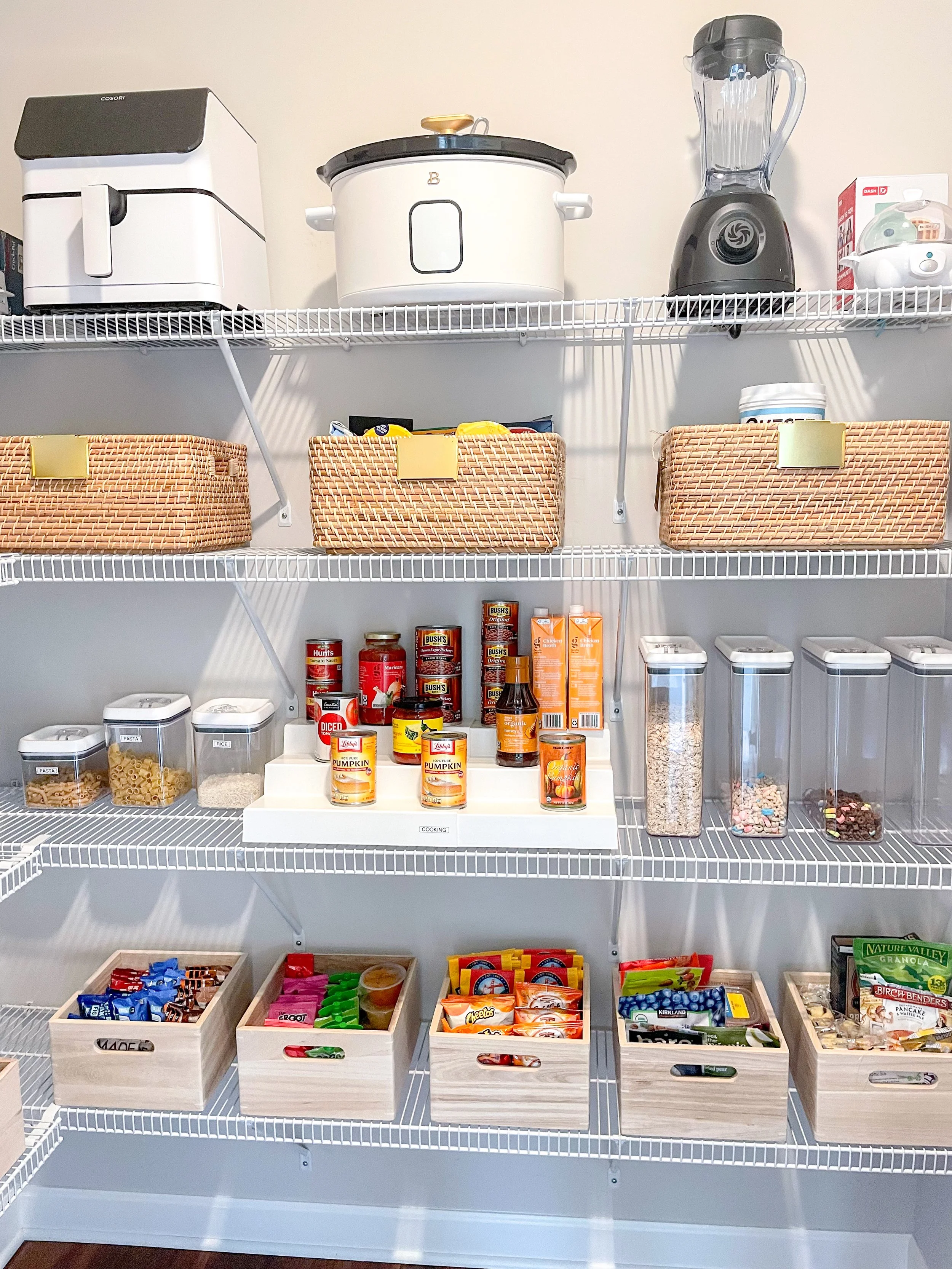
When a space feels chaotic, it’s tempting to buy containers. Clear bins. Drawer dividers. Baskets. Matching hangers.
But if the layout of the space doesn’t match how you actually use it, adding storage just contains the dysfunction.
Ask yourself:
Is this item stored where I naturally reach for it?
Does this space support my daily routine?
Or am I constantly walking back and forth to make it work?
In many homes, especially busy households, the issue isn’t lack of storage — it’s friction.
And friction creates clutter.
2. You Organized Around Stuff Instead of Editing First
Organization without editing is just rearranging.
If every drawer, closet, and cabinet is full, no container system will make it feel light.
Before implementing any storage solution, ask:
Do I actually use this?
Does this support my current season of life?
Would I buy this again today?
Minnesota homes tend to accumulate seasonal items — winter gear, holiday décor, cabin supplies, backup “just in case” purchases.
Without intentional editing, those layers quietly build up.
A professional organizer in Minneapolis or Edina doesn’t just contain items — we help you decide what truly belongs in your space.
3. You’re Storing Too Much “Just in Case”
This one is subtle — and powerful.
We keep things:
Just in case we need them.
Just in case someone visits.
Just in case we lose weight.
Just in case the weather changes.
But “just in case” rarely aligns with daily life.
If your closet is filled with items you don’t wear, it doesn’t matter how neatly they’re hung — the space will feel heavy.
Clarity comes from confidence in what you’ve chosen to keep.
And confidence requires decision-making.
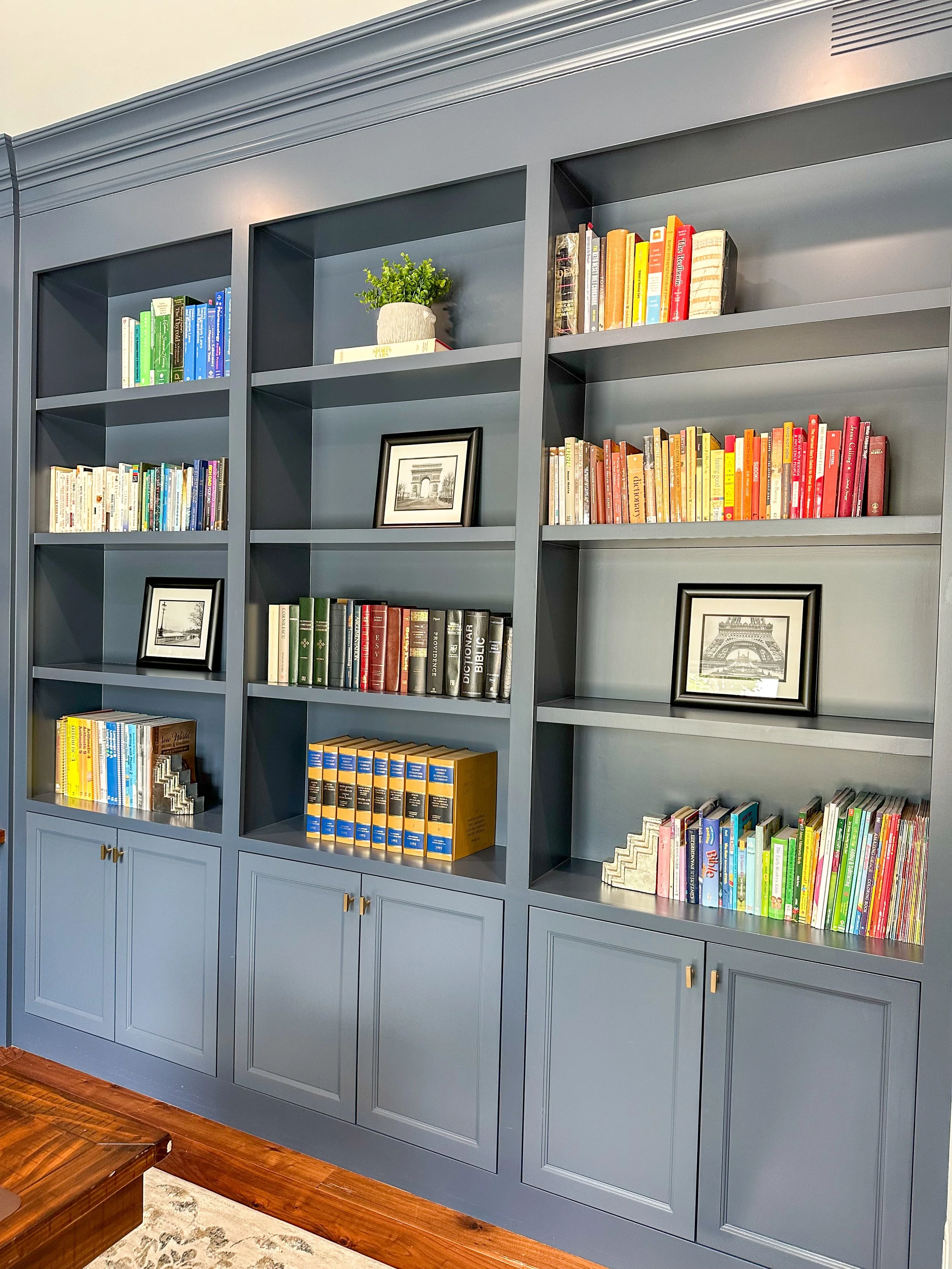
4. Your Spaces Don’t Match Your Lifestyle Anymore
Life changes.
Children grow.
Work shifts.
Schedules evolve.
Hobbies change.
Homes transition.
But storage systems often stay frozen in time.
That kitchen drawer that worked five years ago might not work now.
That mudroom setup that made sense before sports season may now overflow constantly.
The pantry that felt organized before you were packing lunches every morning may now feel chaotic by midweek.
The closet that once held mostly office attire might now need to support athleisure, travel, or hybrid work.
Our homes quietly reflect old versions of our routines — long after our routines have shifted.
If your home feels cluttered even after organizing, it may simply be misaligned with your current lifestyle.
A well-designed system adapts as your life evolves — not just once, but season after season.
5. Storage Is Not the Same as Structure
There’s a difference between storing items and designing structure.
Storage:
Holds items.
Fills space.
Contains overflow.
Structure:
Creates zones.
Supports habits.
Reduces decision fatigue.
Makes maintenance easy.
If maintaining your organization requires constant effort, the structure isn’t right yet.
True organization should feel supportive — not exhausting.
6. Visual Noise Matters More Than You Think
Even when a home is technically organized, visual clutter can create mental clutter.
Open shelving packed tightly.
Overfilled countertops.
Too many small decorative pieces.
Too many competing colors or textures.
Especially in spring — when Minnesota light gets brighter — visual density becomes more noticeable.
Sometimes the fix isn’t more storage.
It’s less visual complexity.
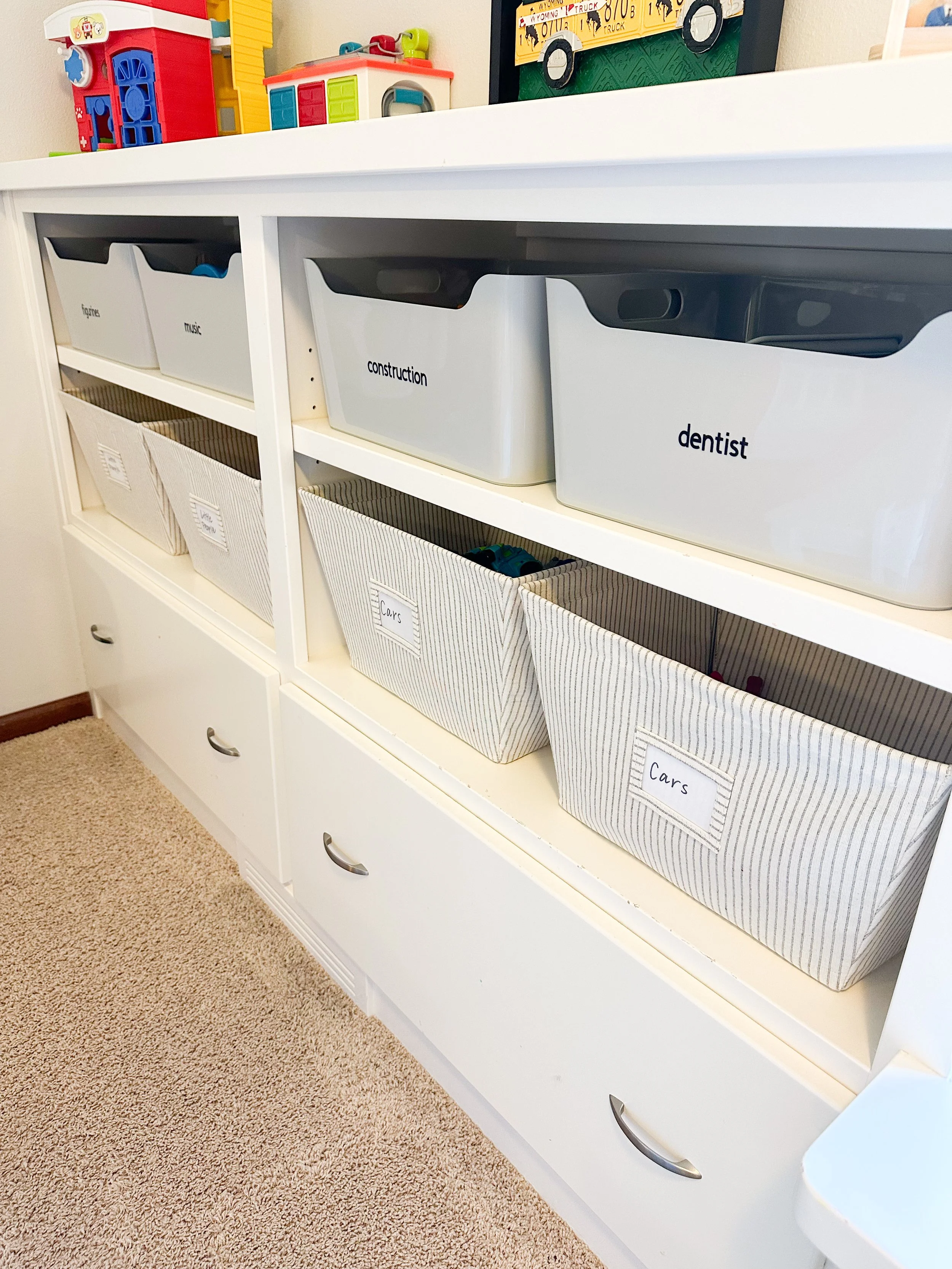
7. You’re Maintaining Systems Alone
This is rarely talked about.
If you are the only one in the household maintaining systems, they will eventually break down.
Not because the system is bad.
Not because your family doesn’t care.
But because it was never designed for shared use.
Organization must be intuitive for everyone using the space.
That means:
Clear zones
Logical placement
Simple labeling
Minimal steps to reset
It also means systems that match real habits — not ideal ones.
If putting something away requires five steps, it won’t happen consistently.
If items don’t have an obvious “home,” they’ll land on the nearest surface.
If children (or even adults) can’t understand the system at a glance, they won’t maintain it.
Sustainable organization is about reducing friction — for everyone.
When systems are complicated, they don’t last. When they’re intuitive, they quietly support your home without constant supervision.
What Actually Creates Lasting Clarity?
Clarity comes from:
Intentional editing
Aligned layout
Defined zones
Sustainable systems
Reduced visual noise
Thoughtful storage
Not from buying more containers.
Not from reorganizing the same drawer three times.
Not from weekend cleaning marathons.
For many homeowners in Edina and Minneapolis, the turning point happens when they stop trying to fix clutter alone — and start designing structure intentionally.
When to Bring in a Professional Organizer in Edina or Minneapolis
If you’ve:
Reorganized the same space multiple times
Purchased storage that didn’t solve the issue
Felt overwhelmed even after decluttering
Avoided certain rooms because they feel chaotic
It may be time for a systems reset.
Working with a professional organizer isn’t about making your home look perfect.
It’s about creating structure that supports your real life.
In Edina and Minneapolis homes, that often includes:
Closet system redesign
Mudroom reconfiguration
Kitchen zone restructuring
Basement or storage optimization
Seasonal rotation systems
Whole-home decluttering support
The goal isn’t just tidy spaces.
It’s mental clarity.
A Different Way to Think About Organization
If your home still feels cluttered, it doesn’t mean you failed.
It means the system needs adjusting.
Organization is not about discipline. It’s about design.
When design aligns with your habits, clutter loses its power.
And that’s when your home starts to feel calm — not just clean.
Ready for a System Reset?
If your home feels cluttered even after organizing, you don’t need more bins.
You need structure.
If you’re in Edina, Minneapolis, or the surrounding Twin Cities and ready for a sustainable reset, schedule a complimentary consultation.
Let’s design systems that actually work for your life.